
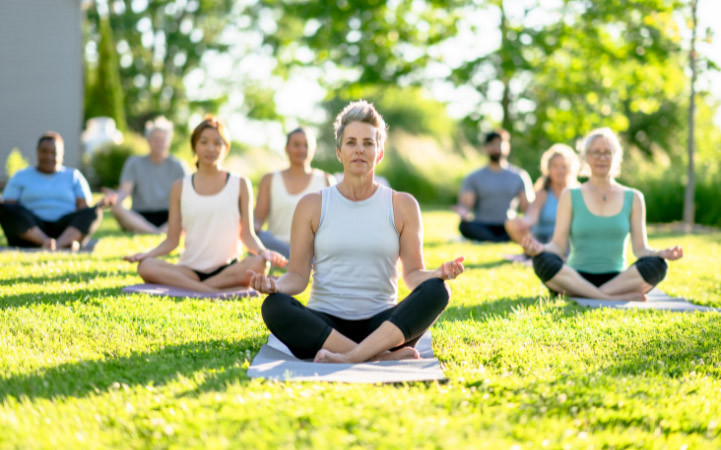
Meditation is a mental training practice that develops awareness, attention, and emotional balance. Rooted in ancient traditions and refined by modern science, it’s now widely used to reduce stress, sharpen focus, and support overall well-being. This guide explains what meditation is, how it works, and how to build a sustainable practice without mystique or fluff.
What Is Meditation?
At its core, meditation is the intentional regulation of attention. Instead of letting the mind drift on autopilot, you choose an anchor—such as the breath, a sound, or bodily sensations—and repeatedly return to it when distraction arises. Over time, this trains the mind to be steadier and more responsive rather than reactive.
Meditation does not require religious belief, special equipment, or a particular posture. It is a skill that improves with practice.
How Meditation Works
Meditation strengthens the brain’s ability to notice thoughts and emotions without being overwhelmed by them. Practicing regularly can lead to:
-
Improved attention control by reducing habitual distraction
-
Lower stress reactivity through calmer physiological responses
-
Greater emotional clarity by observing feelings instead of suppressing them
-
Enhanced self-awareness through consistent reflection
These effects emerge gradually, much like physical fitness improves with training.
Popular Types of Meditation
Different approaches suit different goals and personalities. Here are widely practiced methods:
Mindfulness Meditation
Focuses on present-moment experience—breath, sensations, or thoughts—without judgment. Ideal for stress reduction and clarity.
Focused Attention (Concentration)
Uses a single object (breath, candle flame, or sound) to build deep focus and mental stability.
Loving-Kindness (Metta)
Cultivates goodwill toward oneself and others using phrases of care. Helpful for emotional resilience and compassion.
Body Scan
Moves attention systematically through the body to release tension and increase mind-body awareness.
Movement-Based Meditation
Includes walking meditation or mindful stretching. Suitable for those who find stillness challenging.
Evidence-Based Benefits
Consistent practice has been associated with measurable improvements in daily functioning:
-
Reduced perceived stress and anxiety
-
Better sleep quality through relaxation and mental quieting
-
Improved emotional regulation and patience
-
Greater focus and task persistence
-
Support for healthy habits by increasing self-control
Meditation is not a cure-all, but it is a low-cost, low-risk habit that complements other wellness practices.
How to Start Meditating (Beginner-Friendly)
Starting small is the fastest way to build consistency.
-
Time: Begin with 5 minutes once daily
-
Posture: Sit comfortably or lie down if needed
-
Anchor: Choose the natural breath
-
Method: When the mind wanders, gently return to the breath
-
Attitude: Aim for curiosity, not perfection
Progress comes from showing up, not from having a quiet mind.
Common Challenges and How to Handle Them
-
“My mind won’t stop.”
That’s normal. Noticing wandering is the practice. -
Restlessness or boredom
Shorten sessions and increase gradually. -
Inconsistency
Attach meditation to an existing habit, like after waking up. -
Self-judgment
Treat each session as practice, not performance.
Making Meditation a Habit
Consistency beats duration. To keep it sustainable:
-
Meditate at the same time each day
-
Use simple cues (alarm, calendar reminder)
-
Track sessions briefly to reinforce momentum
-
Adjust style or length as life changes
Meditation works best when it fits your life—not when it competes with it.
FAQs
1. How long does it take to see results from meditation?
Some people notice calm after a few sessions, while deeper benefits typically appear after 2–8 weeks of consistent practice.
2. Is meditation the same as relaxation?
Relaxation can occur, but meditation primarily trains awareness and attention, which may include challenging moments.
3. Can meditation replace therapy or medication?
No. Meditation can support mental health, but it should not replace professional care when needed.
4. Do I need a quiet environment to meditate?
Quiet helps, but learning to meditate with everyday sounds builds real-world resilience.
5. Is it okay to meditate lying down?
Yes, especially if sitting causes discomfort—just be mindful of falling asleep.
6. Can children or older adults meditate safely?
Yes. Simple, age-appropriate practices are safe and beneficial across age groups.
7. What’s the best time of day to meditate?
The best time is the one you’ll keep. Many prefer morning for consistency, but any time works.
