
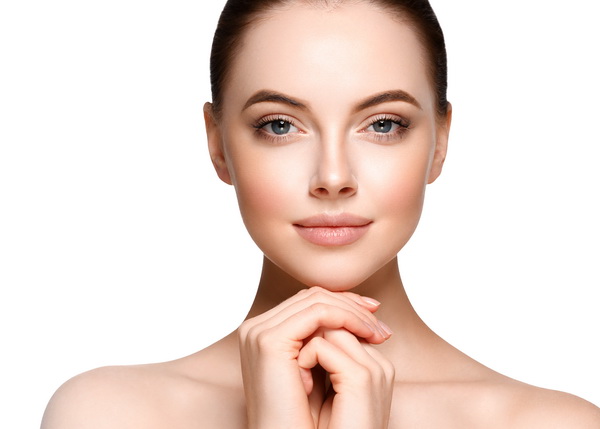
Beauty is a multidimensional concept that intersects biology, psychology, culture, and personal expression. It extends beyond superficial appearances to include factors such as symmetry, health, confidence, and emotional resonance. Exploring beauty involves examining its scientific underpinnings, cultural influences, modern beauty practices, and holistic approaches to self-care.
The Science of Beauty
Beauty perception is deeply rooted in biological and neurological processes. The brain interprets visual cues, symmetry, and proportionality to form judgments about attractiveness.
Facial Symmetry and Proportions
- Symmetry as a Marker of Health: Research suggests that symmetrical facial features are often associated with genetic fitness and overall health.
- Golden Ratio in Facial Aesthetics: Certain proportions, known as the golden ratio, are considered universally appealing. Measurements such as the distance between eyes, nose width, and lip positioning contribute to perceived beauty.
- Microexpressions and Emotional Resonance: Subtle facial movements and expressions can significantly influence attractiveness by conveying warmth, empathy, and confidence.
Skin Health and Appearance
Skin quality is a critical determinant of beauty. Healthy skin reflects internal wellness and resilience.
- Collagen and Elasticity: Collagen production supports firmness and reduces visible signs of aging.
- Hydration and Barrier Function: Proper hydration enhances skin texture, while an intact barrier protects against environmental stressors.
- Pigmentation and Tone: Even skin tone and minimal hyperpigmentation contribute to aesthetic appeal. Cellular turnover and antioxidant support help maintain vibrancy.
Hair and Nail Health
Hair and nails are external indicators of overall health and vitality.
- Hair Density and Shine: Strong, shiny hair often signals nutritional adequacy and hormonal balance.
- Nail Integrity: Smooth, strong nails with natural coloration reflect proper protein intake and metabolic health.
- Genetic and Environmental Factors: Genetics play a role, but proper care and nutrition can optimize appearance.
Psychological and Cultural Dimensions of Beauty
Beauty is not only biological; it is heavily influenced by psychology and culture.
Psychological Influences
- Confidence and Self-Perception: Individuals who feel confident often appear more attractive. Psychological states such as optimism, warmth, and assertiveness affect how beauty is perceived.
- Facial Expressions: Smiling, eye contact, and positive body language enhance perceived attractiveness.
- Cognitive Biases: Familiarity and exposure can shape preferences, with individuals often finding people they know or see frequently more attractive.
Cultural and Societal Standards
- Dynamic Standards: Cultural ideals of beauty vary across time and geography. Trends in body shape, skin tone, hair styles, and makeup evolve based on societal norms.
- Media Influence: Media and advertising influence perceptions of beauty by showcasing curated and enhanced imagery.
- Cross-Cultural Appreciation: While certain traits, such as facial symmetry and clear skin, are widely admired, cultural nuances define the specifics of beauty in different societies.
Modern Beauty Practices
Modern beauty incorporates both cosmetic and holistic approaches to enhance appearance and wellbeing.
Skincare Regimens
Effective skincare involves evidence-backed routines tailored to individual needs.
- Cleansing and Exfoliation: Removes impurities, prevents clogged pores, and promotes cellular turnover.
- Moisturization and Barrier Repair: Supports hydration and protects against environmental stressors.
- Sun Protection: Daily use of SPF prevents premature aging, hyperpigmentation, and skin cancer.
- Targeted Treatments: Serums containing antioxidants, retinoids, and peptides address aging, pigmentation, and texture concerns.
Hair Care Techniques
Hair care practices influence shine, strength, and overall health.
- Regular Cleansing and Conditioning: Maintains scalp health and hair vitality.
- Heat Protection and Styling Choices: Minimizing excessive heat and chemical treatments prevents damage and breakage.
- Nutritional Support: Adequate protein, biotin, iron, and essential fatty acids promote hair growth and resilience.
Makeup and Cosmetic Enhancements
Makeup enhances features and allows for self-expression.
- Color Theory Application: Selecting tones that complement skin undertones enhances natural beauty.
- Subtle Enhancements: Techniques such as contouring, highlighting, and blending accentuate symmetry and structure.
- Long-Term Skin Health: Incorporating skincare-focused makeup products prevents irritation and supports skin integrity.
Wellness and Lifestyle Integration
Lifestyle choices profoundly influence beauty outcomes.
- Nutrition: A balanced diet rich in antioxidants, vitamins, and minerals supports skin, hair, and nail health.
- Hydration: Adequate water intake maintains elasticity and radiance.
- Sleep Quality: Deep sleep promotes cellular repair, hormone regulation, and stress reduction.
- Stress Management: Practices such as meditation, yoga, and mindfulness reduce cortisol levels, which can negatively impact skin and hair.
Advanced and Evidence-Based Beauty Interventions
For those seeking targeted improvements, scientific and clinical options provide measurable outcomes.
Dermatological Treatments
- Laser Therapy: Addresses pigmentation, scars, and vascular concerns.
- Chemical Peels and Microdermabrasion: Promote exfoliation, enhance texture, and stimulate collagen production.
- Injectables and Fillers: Reduce fine lines, restore volume, and improve facial contours with minimal downtime.
Non-Invasive Cosmetic Procedures
- Ultrasound and Radiofrequency Treatments: Tighten skin and improve elasticity through controlled energy application.
- Cryotherapy and Light Therapy: Reduce inflammation, stimulate circulation, and promote healing.
Integrative Approaches
- Holistic Dermatology: Combines traditional skincare with nutrition, lifestyle optimization, and stress reduction for sustainable results.
- Personalized Beauty Plans: Using genetic testing and skin profiling to tailor regimens and interventions for optimal outcomes.
Beauty and Self-Expression
Beauty is deeply intertwined with identity and personal expression.
- Fashion and Style Choices: Clothing, accessories, and grooming reflect personality and individual aesthetics.
- Artistic Expression: Makeup artistry, hairstyling, and skincare rituals offer creative outlets and empowerment.
- Confidence as a Core Component: Authenticity and self-assurance amplify the perception of beauty more than external features alone.
Frequently Asked Questions (FAQs)
Can beauty be enhanced without cosmetic procedures?
Yes. Nutrition, hydration, sleep, stress management, and evidence-based skincare can significantly enhance natural beauty without invasive interventions.
Does genetics determine beauty entirely?
Genetics influence baseline features and predispositions, but environmental factors, lifestyle choices, and personal care practices have a profound impact on appearance.
How does mental health affect beauty?
Psychological wellbeing influences skin, hair, posture, and facial expressions. Reduced stress and positive emotional states enhance perceived attractiveness.
Are all beauty treatments scientifically supported?
No. Evidence-based treatments are supported by research, while some products or practices may offer minimal or anecdotal benefits. Consulting professionals ensures safe and effective choices.
How can one maintain youthful skin naturally?
Consistent sun protection, hydration, antioxidant-rich nutrition, proper cleansing, and adequate sleep support long-term skin health.
Can lifestyle changes reverse signs of aging?
While some signs of aging cannot be completely reversed, lifestyle optimization slows progression and enhances skin and hair vitality.
Does confidence truly affect perceived beauty?
Yes. Studies show that confidence, body language, and social engagement strongly influence how attractive someone appears to others.
Beauty is a multifaceted concept rooted in biology, psychology, and culture, yet accessible through conscious, evidence-backed practices. By combining scientific skincare, hair care, wellness strategies, and holistic approaches, individuals can optimize their appearance while enhancing health, self-expression, and confidence. This perspective redefines beauty as an integrative, sustainable, and deeply personal journey.
