
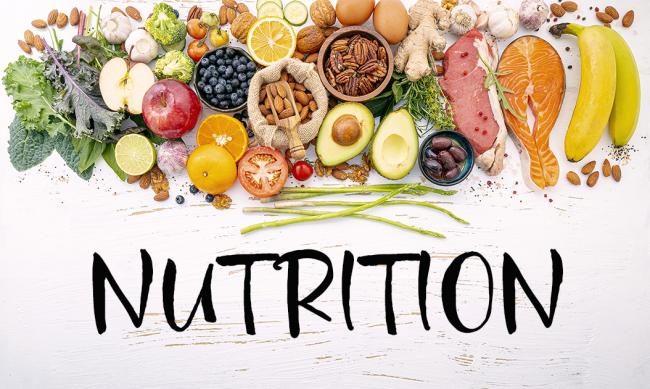
Nutrition is a fundamental pillar of human health, influencing physical performance, cognitive function, immune resilience, and long-term disease prevention. Understanding nutrition requires a nuanced approach that integrates macronutrient balance, micronutrient adequacy, meal timing, and lifestyle considerations. Evidence-based nutritional strategies empower individuals to optimize health outcomes while supporting personal goals such as weight management, athletic performance, and longevity.
The Science of Nutrition
Nutrition is the study of how food and drink influence the body’s physiological functions. It encompasses digestion, absorption, metabolism, and the biochemical utilization of nutrients for energy, growth, and cellular repair.
Macronutrients: Building Blocks of Health
Macronutrients provide energy and structural support for the body. Their appropriate balance is critical for optimal function.
Carbohydrates
- Role: Primary energy source for the brain, muscles, and other tissues during daily activities and high-intensity exercise.
- Types: Simple carbohydrates (sugars) provide rapid energy, while complex carbohydrates (whole grains, legumes, vegetables) offer sustained energy and fiber.
- Health Implications: Excessive simple carbohydrate intake is linked to insulin resistance and obesity, whereas fiber-rich sources improve digestion, glycemic control, and cardiovascular health.
Proteins
- Role: Support tissue repair, muscle synthesis, enzymatic reactions, and hormone production.
- Sources: Lean meats, fish, dairy, eggs, legumes, nuts, and seeds.
- Considerations: Adequate protein intake is essential for athletes, older adults, and individuals recovering from illness or surgery. Timing protein intake post-exercise enhances muscle recovery and growth.
Fats
- Role: Critical for cell membrane integrity, hormone synthesis, fat-soluble vitamin absorption, and energy storage.
- Types: Unsaturated fats (monounsaturated and polyunsaturated) support heart and brain health; saturated fats should be limited; trans fats are harmful.
- Sources: Avocado, olive oil, fatty fish, nuts, and seeds provide beneficial fats, whereas processed foods often contain harmful trans fats.
Micronutrients: Essential Vitamins and Minerals
Micronutrients, though required in smaller amounts, are vital for enzymatic function, immunity, and cellular processes.
- Vitamins: Water-soluble (B-complex, C) and fat-soluble (A, D, E, K) vitamins regulate metabolic pathways, vision, bone health, and antioxidant defenses.
- Minerals: Calcium, magnesium, potassium, zinc, and iron support bone strength, muscle function, neural communication, and oxygen transport.
- Deficiency Risks: Inadequate intake leads to compromised immunity, fatigue, anemia, osteoporosis, and impaired cognitive function.
Water and Hydration
- Importance: Water facilitates digestion, nutrient transport, temperature regulation, and waste elimination.
- Daily Requirements: Vary by age, activity level, climate, and health status, but a general guideline is 2–3 liters per day for adults.
- Enhancing Hydration: Electrolyte balance is critical during intense physical activity or heat exposure.
Evidence-Based Nutritional Strategies
Scientific research supports specific strategies to optimize nutrient intake, metabolism, and overall health.
Balanced Meal Composition
- Plate Method: Half vegetables and fruits, one-quarter protein, one-quarter complex carbohydrates, with healthy fats incorporated.
- Portion Control: Prevents overconsumption of calories while ensuring nutrient adequacy.
- Glycemic Considerations: Pairing carbohydrates with protein and fiber moderates blood sugar response.
Meal Timing and Frequency
- Intermittent Fasting: Certain patterns (e.g., 16:8 or 5:2) may improve insulin sensitivity, support weight management, and promote cellular repair.
- Pre- and Post-Exercise Nutrition: Carbohydrate and protein intake before and after workouts enhances energy availability and recovery.
- Consistent Meals: Regular eating schedules stabilize blood sugar and hormone balance, reducing cravings and energy crashes.
Nutrient Density and Food Quality
- Whole Foods Focus: Emphasize minimally processed fruits, vegetables, whole grains, lean proteins, and healthy fats.
- Bioavailability Considerations: Certain preparation methods improve nutrient absorption, e.g., cooking tomatoes increases lycopene availability.
- Phytonutrients and Antioxidants: Plant compounds reduce oxidative stress, inflammation, and chronic disease risk.
Tailored Nutrition for Specific Goals
- Weight Management: Caloric balance, macronutrient optimization, and high-fiber foods support sustainable fat loss or muscle gain.
- Athletic Performance: Carbohydrate periodization, protein optimization, and electrolyte replenishment enhance performance and recovery.
- Longevity and Chronic Disease Prevention: Anti-inflammatory diets, Mediterranean-style eating patterns, and reduced processed food intake reduce cardiovascular and metabolic risk.
Advanced Nutritional Considerations
Emerging research has refined understanding of how nutrition interacts with genetics, gut health, and systemic physiology.
Gut Microbiome and Nutrition
- Role: Gut bacteria metabolize fiber, produce short-chain fatty acids, and influence immune function.
- Dietary Impact: Prebiotics (fiber-rich foods) and probiotics (fermented foods) promote microbiome diversity and health.
- Health Outcomes: Balanced gut flora supports digestion, mental health, and chronic disease prevention.
Nutrigenomics
- Definition: Study of how genes interact with nutrients to influence health outcomes.
- Applications: Personalized nutrition plans based on genetic predispositions can optimize metabolism, weight management, and disease risk reduction.
Functional Foods and Bioactive Compounds
- Polyphenols, Flavonoids, Omega-3 Fatty Acids: Support cardiovascular health, cognitive function, and inflammation reduction.
- Evidence-Based Supplements: Vitamin D, omega-3s, and certain minerals may be beneficial when dietary intake is insufficient or in specific populations.
Common Nutritional Challenges
Maintaining optimal nutrition can be complicated by environmental, social, and physiological factors.
- Busy Lifestyles: Limited time for meal preparation leads to reliance on processed foods.
- Dietary Restrictions: Allergies, intolerances, or ethical choices require careful planning to prevent deficiencies.
- Socioeconomic Factors: Accessibility and affordability of nutrient-dense foods can limit optimal nutrition.
- Misinformation: Trends, fads, and unverified claims may misguide dietary choices.
Strategies for Sustainable Nutrition
- Meal Planning and Prep: Reduces reliance on convenience foods and ensures nutrient adequacy.
- Mindful Eating: Focused attention during meals improves satiety recognition and digestion.
- Tracking and Accountability: Food logs, nutrition apps, or professional guidance support adherence and personalized adjustments.
- Continuous Education: Staying informed about evidence-based guidelines and emerging research promotes informed dietary choices.
Frequently Asked Questions (FAQs)
How can I balance macronutrients effectively?
Aim for a balanced distribution: 45–55% carbohydrates, 20–30% protein, and 25–35% healthy fats, adjusted based on individual goals and activity levels.
Are supplements necessary for optimal nutrition?
Whole foods are the primary source of nutrients. Supplements may be beneficial for deficiencies, specific life stages, or medical conditions but should complement, not replace, diet.
What is the role of fiber in nutrition?
Fiber supports digestion, stabilizes blood sugar, promotes satiety, and fosters a healthy gut microbiome.
How does nutrition affect mental health?
Nutrients such as omega-3 fatty acids, B-vitamins, and antioxidants influence neurotransmitter synthesis, cognitive function, and mood regulation.
Can intermittent fasting improve health?
Research indicates benefits for insulin sensitivity, weight management, and cellular repair, but it should be tailored to individual needs and monitored for safety.
How does hydration impact nutrition and metabolism?
Proper hydration supports digestion, nutrient transport, thermoregulation, and metabolic efficiency, enhancing overall physiological function.
Are plant-based diets nutritionally adequate?
Yes, when carefully planned to include diverse protein sources, essential fatty acids, vitamins, and minerals. Attention to vitamin B12, iron, calcium, and omega-3 intake is essential.
Nutrition is a complex, dynamic, and evidence-driven field that shapes health across the lifespan. By integrating balanced macronutrient intake, micronutrient adequacy, functional foods, personalized strategies, and mindful practices, individuals can optimize physical performance, cognitive function, and long-term well-being. A holistic approach to nutrition emphasizes sustainability, adaptability, and science-backed decision-making, making it a cornerstone of a healthy lifestyle.
