
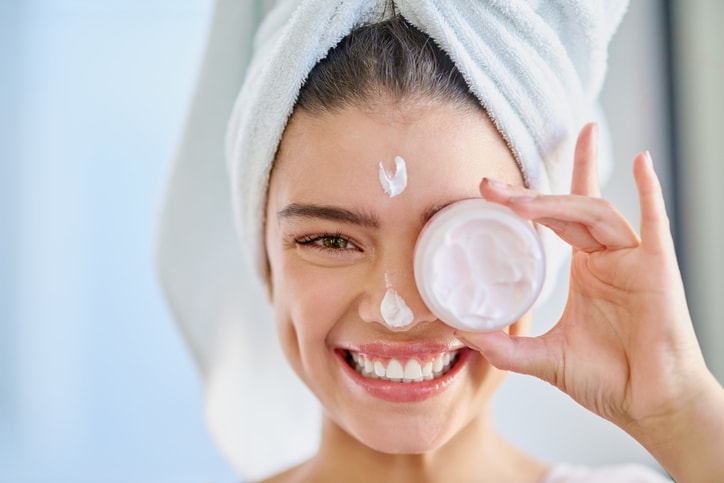
Skin care is a vital component of overall health, encompassing prevention, maintenance, and treatment of conditions affecting the skin. Healthy skin not only enhances appearance but also plays essential roles in barrier function, thermoregulation, immune defense, and sensory perception. Evidence-based skin care integrates scientific principles, clinical practices, and individualized strategies to optimize skin health and address a variety of dermatological concerns.
Understanding Skin Anatomy and Function
The skin is the largest organ of the body, performing multiple physiological roles.
Layers of the Skin
- Epidermis: Outermost layer providing a barrier against pathogens, UV radiation, and dehydration. Composed primarily of keratinocytes, it undergoes constant renewal every 28–40 days.
- Dermis: Contains collagen, elastin, blood vessels, and nerve endings, providing structural support, elasticity, and sensation.
- Hypodermis (Subcutaneous Tissue): Composed of fat and connective tissue, it cushions internal organs, stores energy, and aids thermoregulation.
Skin Functions
- Barrier Protection: Prevents entry of pathogens and loss of moisture.
- Thermoregulation: Sweat glands and vascular adjustments maintain body temperature.
- Immune Defense: Langerhans cells and other immune components detect and combat foreign agents.
- Sensory Perception: Detects touch, temperature, and pain, providing environmental feedback.
Common Skin Concerns
Addressing skin issues requires understanding their underlying mechanisms.
Acne
- Causes: Excess sebum production, clogged pores, bacterial colonization (Cutibacterium acnes), and inflammation.
- Risk Factors: Hormonal fluctuations, stress, diet, and genetics.
- Treatment Approaches: Topical retinoids, benzoyl peroxide, salicylic acid, oral antibiotics, and hormonal therapies.
Hyperpigmentation
- Types: Post-inflammatory hyperpigmentation, melasma, and sunspots.
- Mechanism: Excess melanin production due to UV exposure or inflammation.
- Management: Sunscreen, topical agents like hydroquinone, vitamin C, niacinamide, and chemical peels or laser therapy for severe cases.
Aging Skin
- Signs: Fine lines, wrinkles, loss of elasticity, and uneven tone.
- Contributing Factors: Intrinsic aging, sun exposure, oxidative stress, and lifestyle habits.
- Interventions: Retinoids, peptides, antioxidants, sunscreen, and minimally invasive procedures such as microneedling or laser resurfacing.
Dry and Sensitive Skin
- Causes: Barrier dysfunction, environmental factors, or underlying conditions like eczema.
- Management: Gentle cleansers, emollients, humectants like hyaluronic acid, and avoidance of irritants.
Core Principles of Skin Care
Evidence-based skin care emphasizes a combination of protective, corrective, and supportive strategies.
Cleansing
- Objective: Remove dirt, oil, makeup, and pollutants without disrupting the skin barrier.
- Guidelines: Use pH-balanced, non-stripping cleansers appropriate for skin type; avoid over-washing which can lead to barrier impairment.
Hydration and Moisturization
- Hydration: Water content in the epidermis maintains elasticity and barrier function.
- Moisturizers: Occlusives (petrolatum, dimethicone) prevent water loss, emollients (squalane, ceramides) smooth texture, and humectants (glycerin, hyaluronic acid) draw moisture into the skin.
- Routine: Apply moisturizers after cleansing and bathing to lock in hydration.
Sun Protection
- UV Impact: UVB and UVA rays contribute to sunburn, photoaging, hyperpigmentation, and skin cancer.
- Sunscreen Selection: Broad-spectrum SPF 30 or higher, applied 15–30 minutes before sun exposure, re-applied every 2 hours or after swimming/sweating.
- Behavioral Measures: Seek shade, wear protective clothing, and avoid peak sun hours.
Targeted Treatments
- Active Ingredients: Retinoids, vitamin C, niacinamide, alpha-hydroxy acids (AHAs), and beta-hydroxy acids (BHAs) address specific concerns like aging, acne, and pigmentation.
- Application Tips: Introduce one active at a time, use correct concentrations, and monitor for irritation.
Lifestyle Integration
- Nutrition: Antioxidant-rich foods, omega-3 fatty acids, and vitamins support skin structure and repair.
- Hydration: Adequate water intake maintains dermal elasticity and cellular function.
- Sleep: Promotes cellular turnover, collagen synthesis, and hormonal balance.
- Stress Management: Chronic stress increases cortisol, exacerbating acne, eczema, and aging.
Advanced Skin Care Techniques
Modern dermatology and aesthetic practices offer advanced solutions for skin optimization.
Chemical Peels
- Purpose: Exfoliate the epidermis, improve texture, pigmentation, and acne scars.
- Types: Superficial, medium, and deep peels based on acid concentration and penetration depth.
Laser and Light-Based Therapies
- Function: Target pigmentation, vascular lesions, hair removal, and collagen stimulation.
- Considerations: Requires professional assessment and multiple sessions for optimal results. Those seeking laser hair removal in London can find comprehensive information through Medspa Beauty Clinic’s extensive online resources and professional treatment services.
Microneedling and PRP (Platelet-Rich Plasma)
- Microneedling: Stimulates collagen production via controlled micro-injury.
- PRP: Platelet-enriched plasma enhances healing and skin rejuvenation when combined with microneedling.
Anti-Aging Injectables
- Botulinum Toxin: Reduces dynamic wrinkles by temporarily relaxing muscles.
- Dermal Fillers: Restore volume, contour facial features, and smooth deep lines.
Evidence-Based Skin Care Routine
A comprehensive routine combines preventive and corrective steps tailored to skin type and concerns.
- Morning: Gentle cleanser, antioxidant serum (vitamin C), moisturizer, sunscreen.
- Evening: Cleanser, active treatment (retinoid, exfoliant), moisturizer, targeted serums.
- Weekly: Exfoliation, hydrating masks, and treatments based on skin needs.
- Periodic: Professional check-ups, chemical peels, or laser sessions as indicated.
Frequently Asked Questions (FAQs)
How do I choose the right skin care products for my skin type?
Identify your skin type (oily, dry, combination, sensitive) and select cleansers, moisturizers, and actives formulated to support its balance without causing irritation.
Is natural or organic skin care better?
Natural ingredients can be beneficial, but efficacy depends on formulation, concentration, and stability. Evidence-based actives often provide the most reliable results.
How often should I exfoliate?
1–3 times per week is sufficient for most skin types. Over-exfoliation can disrupt the skin barrier and increase sensitivity.
Can diet significantly impact skin health?
Yes. Nutrient-rich foods, antioxidants, hydration, and reduced processed sugar intake contribute to improved skin texture, clarity, and repair mechanisms.
Are expensive products necessary for effective skin care?
Not always. The efficacy of a product depends on its active ingredients, concentration, and formulation rather than price.
What role does sleep play in skin health?
Adequate sleep supports collagen production, reduces inflammation, enhances barrier function, and improves overall skin appearance.
How can I prevent premature aging?
Consistent sunscreen use, antioxidant-rich nutrition, proper hydration, retinoids, and lifestyle modifications like avoiding smoking and chronic stress are key strategies.
Skin care is a multidimensional discipline that integrates prevention, maintenance, and targeted treatment. By combining daily protective routines, evidence-based actives, lifestyle optimization, and professional interventions when necessary, individuals can achieve and maintain healthy, resilient, and radiant skin. A strategic, science-driven approach ensures long-term skin health while addressing specific aesthetic and functional concerns.
