
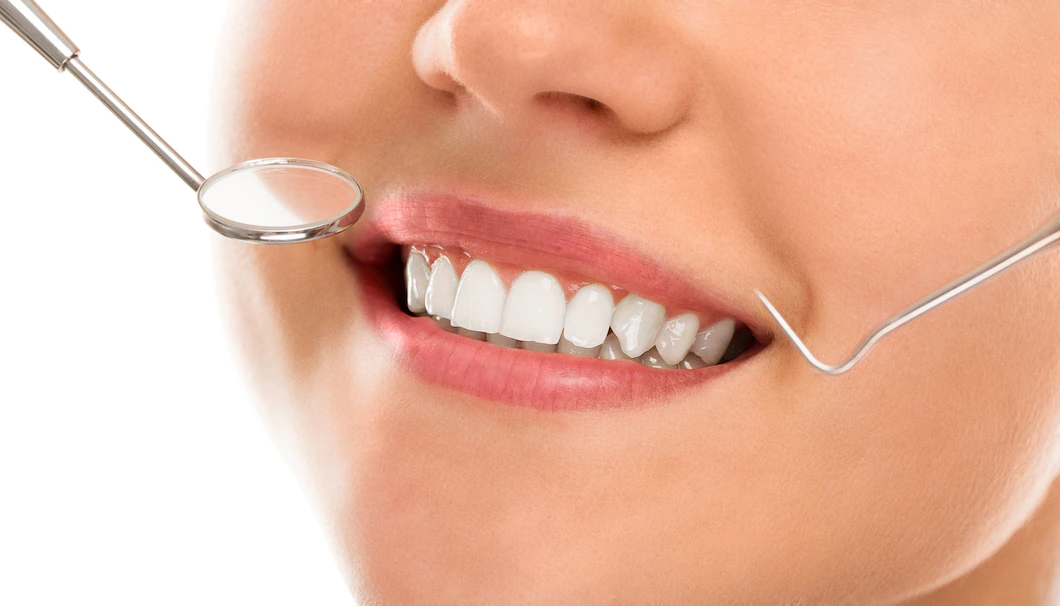
Dental health is a critical component of overall wellness, encompassing the prevention, diagnosis, and treatment of oral conditions that affect teeth, gums, and the entire oral cavity. Beyond aesthetics, dental health influences systemic health, including cardiovascular, metabolic, and immune functions. Understanding modern dental practices requires exploring advanced preventive care, restorative techniques, cosmetic innovations, and the interplay between oral health and general wellbeing.
The Importance of Dental Health
Dental health is more than a matter of maintaining a bright smile. Poor oral hygiene and untreated dental conditions can have far-reaching consequences:
- Systemic Health Links: Periodontal disease is associated with increased risk of cardiovascular disease, diabetes, and adverse pregnancy outcomes.
- Nutritional Impact: Healthy teeth and gums facilitate proper chewing and nutrient absorption.
- Psychological and Social Benefits: Good oral health enhances self-confidence, social engagement, and professional opportunities.
Maintaining dental health requires a combination of preventive care, regular monitoring, and evidence-based interventions.
Anatomy of the Oral Cavity
Understanding dental health begins with the structural components of the oral cavity:
- Teeth: Comprising enamel, dentin, pulp, and cementum, teeth serve for mastication, speech, and facial structure support.
- Gums (Gingiva): Soft tissue that protects underlying bone and roots while providing a seal against bacterial invasion.
- Jawbone (Alveolar Bone): Supports teeth and anchors periodontal ligaments, crucial for structural integrity.
- Salivary Glands: Produce saliva that aids in digestion, neutralizes acids, and protects against bacterial colonization.
- Oral Mucosa: A protective lining that maintains tissue integrity and aids in wound healing.
Common Dental Conditions
Several oral health conditions impact millions worldwide, requiring both preventive and clinical management.
Dental Caries (Tooth Decay)
- Caused by acid-producing bacteria that demineralize enamel and dentin.
- Risk factors include high sugar consumption, poor oral hygiene, and inadequate fluoride exposure.
- Prevention involves regular brushing, flossing, fluoride treatment, and dietary modifications.
- Treatment ranges from fillings and inlays to root canal therapy in severe cases.
Periodontal Disease
- Involves inflammation of gums and supporting structures, progressing from gingivitis to periodontitis.
- Symptoms include bleeding gums, receding gums, and tooth mobility.
- Risk factors include smoking, systemic diseases, and genetic predisposition.
- Management involves deep cleaning (scaling and root planing), antimicrobial therapy, and in advanced cases, surgical interventions.
Malocclusion and Orthodontic Issues
- Misalignment of teeth or bite abnormalities can affect chewing, speech, and aesthetics.
- Treatments include braces, clear aligners, and functional appliances.
- Early diagnosis in childhood improves outcomes and prevents complications.
Oral Cancer
- A serious condition affecting the lips, tongue, and oral mucosa.
- Risk factors include tobacco use, alcohol consumption, and HPV infection.
- Early detection through regular oral examinations dramatically improves prognosis.
Tooth Sensitivity and Enamel Erosion
- Sensitivity often results from enamel wear or gum recession exposing dentin.
- Management includes desensitizing toothpaste, fluoride treatments, and dietary modifications to reduce acid exposure.
Advanced Dental Treatments and Techniques
Modern dentistry employs evidence-based interventions to restore function, aesthetics, and overall oral health.
Restorative Dentistry
- Fillings and Inlays: Repair damaged or decayed teeth using composite, ceramic, or metal materials.
- Crowns and Bridges: Restore tooth structure and function while enhancing aesthetics.
- Dental Implants: Titanium or zirconia implants replace missing teeth, providing long-term durability and preserving jawbone integrity.
- Root Canal Therapy: Removes infected pulp, disinfects the canal, and restores the tooth to prevent extraction.
Cosmetic Dentistry
- Teeth Whitening: Utilizes peroxide-based agents to remove stains and enhance smile brightness.
- Veneers: Thin porcelain or composite layers cover surface imperfections for uniform appearance.
- Smile Design: Integrates orthodontics, whitening, and restorative procedures for comprehensive aesthetic enhancement.
Preventive and Minimally Invasive Approaches
- Fluoride Applications: Strengthen enamel and reduce susceptibility to decay.
- Sealants: Protective coatings applied to molars to prevent caries.
- Regular Professional Cleanings: Remove plaque and tartar to maintain periodontal health.
- Laser Dentistry: Enables minimally invasive procedures for gum reshaping, decay removal, and soft tissue management.
Orthodontic and Functional Treatments
- Braces and Aligners: Correct alignment, bite issues, and jaw discrepancies.
- Palatal Expanders and Retainers: Guide jaw growth and maintain post-treatment results.
- Myofunctional Therapy: Addresses tongue posture, breathing, and oral muscle habits to prevent relapse.
Oral Health and Systemic Connections
Emerging research highlights the critical link between dental health and overall physiology.
- Cardiovascular Health: Chronic inflammation from periodontal disease can contribute to atherosclerosis and heart disease.
- Diabetes Management: Periodontal treatment improves glycemic control, demonstrating bidirectional interaction.
- Pregnancy Outcomes: Untreated gum disease increases risk of preterm birth and low birth weight.
- Immune Function: Oral microbiome health influences systemic immunity and inflammatory responses.
Best Practices for Maintaining Dental Health
Optimal oral care involves a multi-faceted approach combining daily habits, professional care, and lifestyle considerations.
Daily Oral Hygiene
- Brush twice daily with a fluoride toothpaste using proper technique.
- Floss or use interdental brushes to remove plaque between teeth.
- Use antimicrobial mouth rinses when indicated to reduce bacterial load.
- Clean the tongue to prevent halitosis and microbial accumulation.
Nutrition and Lifestyle
- Limit sugary and acidic foods to reduce enamel erosion and decay risk.
- Include calcium, vitamin D, and protein-rich foods to support teeth and bone health.
- Stay hydrated to maintain saliva production and oral lubrication.
- Avoid tobacco products and limit alcohol consumption to reduce oral disease risk.
Regular Dental Check-Ups
- Schedule professional examinations every six months or as recommended.
- Early detection of decay, gum disease, or abnormalities improves outcomes.
- Personalized guidance ensures optimal preventive and restorative strategies.
Frequently Asked Questions (FAQs)
How often should I visit the dentist for check-ups?
Most individuals benefit from dental examinations and professional cleanings every six months, though frequency may vary based on individual risk factors.
Are dental X-rays safe?
Modern dental X-rays use minimal radiation, and protective measures like lead aprons minimize exposure. They are essential for detecting hidden issues.
Can dental health impact my overall wellness?
Yes. Poor oral hygiene is linked to cardiovascular disease, diabetes, pregnancy complications, and systemic inflammation.
Are dental implants a permanent solution?
With proper care, dental implants can last decades, offering durable and functional tooth replacement.
How can I reduce tooth sensitivity?
Use desensitizing toothpaste, avoid acidic foods, maintain proper brushing technique, and consult a dentist for advanced treatments like fluoride varnishes.
Is teeth whitening safe?
Professional whitening under dental supervision is safe for most patients, though excessive or unsupervised use may cause sensitivity or enamel damage.
What is the role of the oral microbiome in dental health?
A balanced oral microbiome protects against pathogenic bacteria, reduces inflammation, and supports overall oral and systemic health.
Dental health is a complex, multifaceted domain that extends far beyond basic hygiene. Integrating evidence-based preventive care, advanced restorative techniques, cosmetic innovations, and lifestyle optimization ensures long-term oral and systemic wellness. By understanding the scientific, clinical, and holistic aspects of dental care, individuals can achieve a healthy, functional, and aesthetically pleasing smile while safeguarding overall health.
