
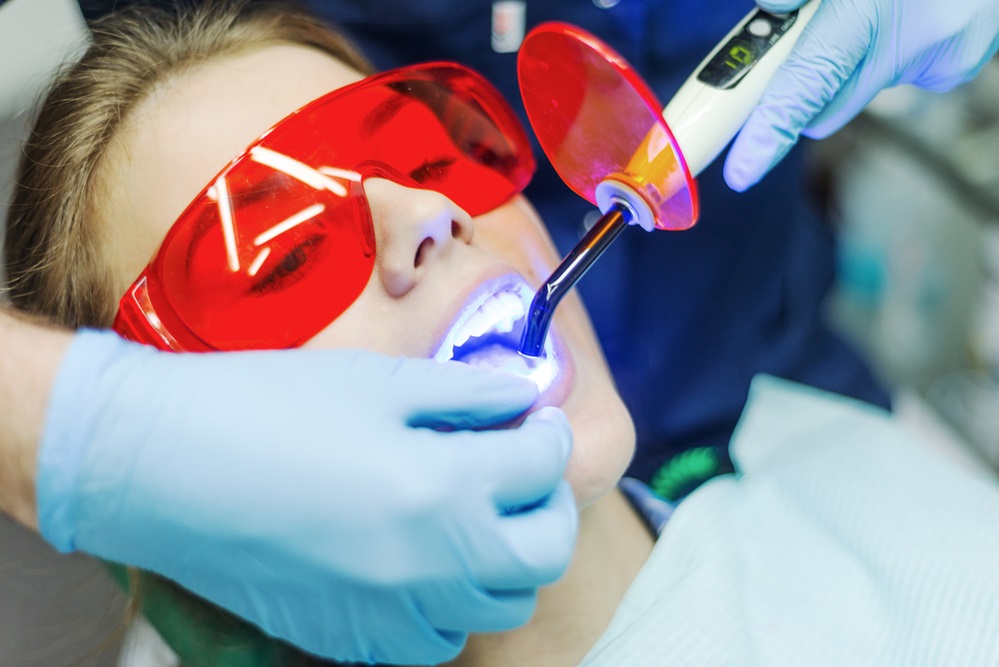
Modern dentistry has quietly shifted from a reactive, drill-and-fill model to a precision-driven, patient-centric discipline. Today’s clinics rely on advanced dental tools that reduce discomfort, shorten treatment times, and improve long-term outcomes. These technologies are no longer reserved for specialty practices—they are reshaping routine cleanings, fillings, and restorations in everyday care.
The Shift Toward Technology-Led Dentistry
Dental care now blends clinical expertise with smart tools that enhance accuracy and efficiency. Instead of relying solely on manual techniques, dentists use digital diagnostics, automation, and minimally invasive systems to deliver predictable results.
Key drivers behind this shift include:
-
Rising patient expectations for comfort and speed
-
Greater focus on preventive and conservative treatments
-
Continuous improvements in digital imaging and materials science
Digital Imaging and Diagnostics
Accurate diagnosis is the foundation of effective treatment. Advanced imaging tools allow dentists to detect issues earlier and plan procedures with confidence.
Cone Beam and 3D Imaging
Three-dimensional imaging provides detailed views of teeth, bone, and nerves. This helps in:
-
Identifying hidden infections or fractures
-
Planning implants with millimeter-level precision
-
Reducing surgical risks
Intraoral Scanners
Instead of traditional impression trays, intraoral scanners create instant digital models of the mouth.
-
Faster and more comfortable for patients
-
Highly accurate for crowns and aligners
-
Easy storage and sharing of records
Laser Dentistry in Daily Procedures
Dental lasers have moved beyond cosmetic use and are now common in routine care.
Lasers are widely used for:
-
Treating gum disease with minimal bleeding
-
Removing decay without vibration or noise
-
Speeding up healing by reducing tissue trauma
Patients often experience less pain, reduced need for anesthesia, and quicker recovery, making lasers a preferred option for both adults and children.
CAD/CAM Systems for Same-Day Restorations
Computer-Aided Design and Manufacturing (CAD/CAM) has transformed restorative dentistry.
With this technology, dentists can:
-
Design crowns, inlays, or veneers digitally
-
Mill restorations in-office within hours
-
Eliminate multiple appointments and temporary crowns
The result is stronger, better-fitting restorations completed in a single visit.
Smart Tools Enhancing Preventive Care
Prevention is no longer limited to visual exams and X-rays. Advanced tools now support early intervention.
Examples include:
-
Digital cavity detection systems that identify decay before it becomes visible
-
Ultrasonic scalers that remove plaque gently and efficiently
-
Air polishing devices for stain removal without enamel damage
These tools help preserve natural tooth structure while keeping routine visits comfortable.
AI and Automation in Dental Practices
Artificial intelligence is becoming a behind-the-scenes assistant in many clinics. While not replacing dentists, AI supports clinical decisions by:
-
Analyzing images for early signs of decay or bone loss
-
Streamlining treatment planning
-
Reducing human error in measurements
Automation also improves workflow, allowing dentists to spend more time focused on patient care rather than manual processes.
How These Tools Improve the Patient Experience
Advanced dental tools are not just about technology—they directly affect how patients feel during treatment.
Common benefits include:
-
Shorter appointments
-
Less invasive procedures
-
Reduced pain and anxiety
-
More predictable, long-lasting results
This shift has helped change public perception of dental visits from stressful to manageable, even routine.
FAQs
1. Are advanced dental tools safe for everyday use?
Yes. These tools undergo strict testing and are designed specifically for routine clinical use under professional supervision.
2. Do advanced tools make dental treatments more expensive?
While some procedures may have higher upfront costs, improved accuracy and durability often reduce long-term expenses.
3. Can children benefit from modern dental technologies?
Absolutely. Tools like lasers and digital scanners are especially helpful for children because they reduce discomfort and treatment time.
4. Are digital dental records secure?
Modern dental software uses encrypted systems and complies with healthcare data protection standards to keep patient information safe.
5. How often do dental clinics update their technology?
This varies by practice, but many clinics upgrade equipment every few years to keep pace with clinical advancements.
6. Do advanced tools replace traditional dental skills?
No. They enhance a dentist’s expertise by improving precision and efficiency, but clinical judgment remains essential.
7. Will future dental visits be completely pain-free?
While no treatment can guarantee zero discomfort, ongoing innovations continue to reduce pain and recovery time significantly.
